
Cooking Guide
How to Cook Fresh & Frozen Pasta
Fresh pasta cooks differently than dried. Follow our expert guide for perfect results every time—whether you’re cooking fresh from the fridge or straight from the freezer.
Fresh Pasta
Cooking Fresh Pasta
Boil Generously Salted Water
Use at least 4 quarts of water per pound of pasta. Add 1-2 tablespoons of kosher salt—the water should taste like the sea. A proper salt level seasons the pasta from the inside out and is the foundation of great-tasting pasta.
Add Pasta Gently
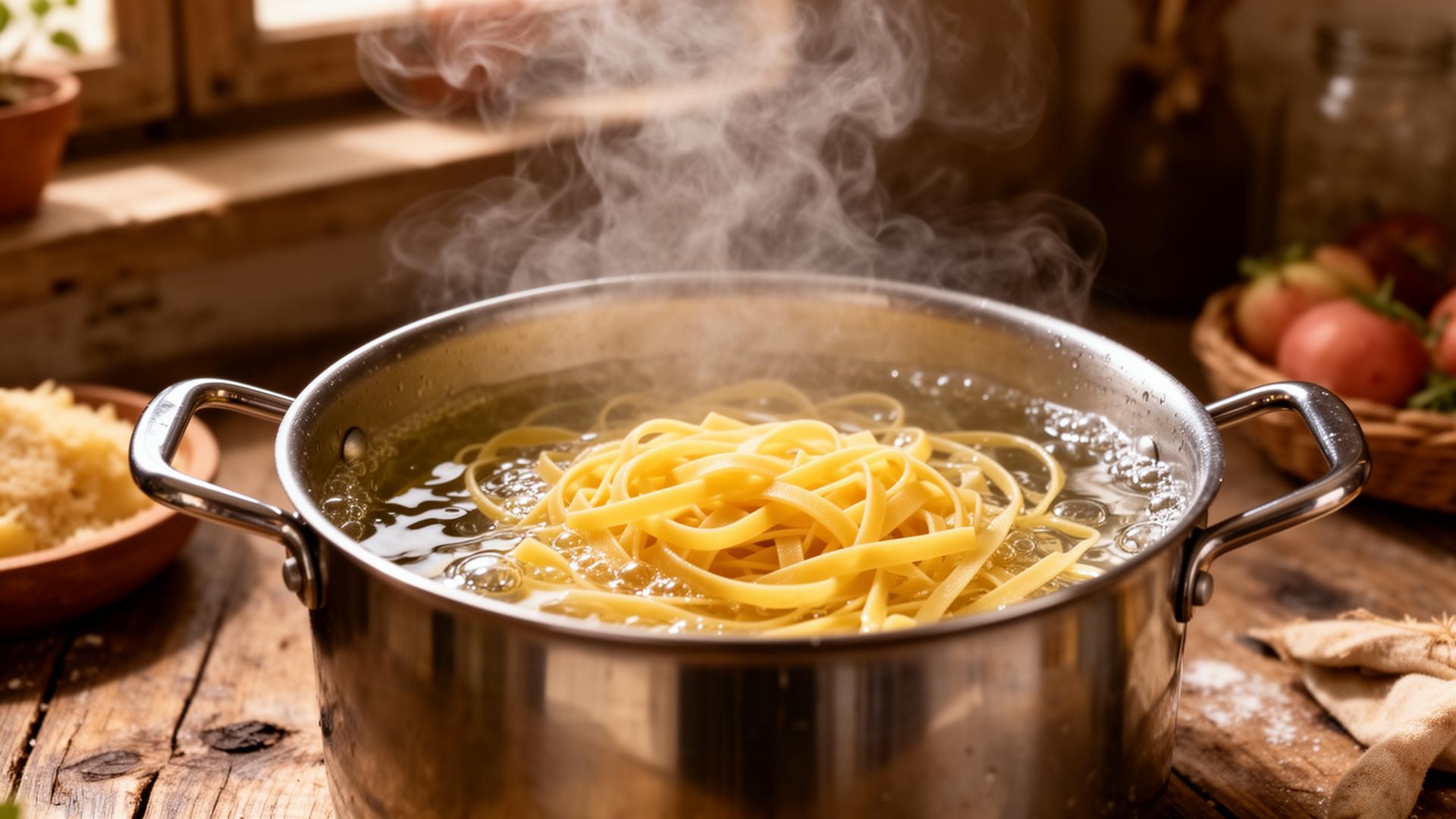
Once the water reaches a rolling boil, add the fresh pasta gently. Stir immediately to prevent sticking. Fresh pasta is more delicate than dried, so handle it with care. Do not break long pasta shapes.
Cook Briefly (2-4 Minutes)
Fresh pasta cooks much faster than dried—most shapes are done in 2-4 minutes. Start tasting at 2 minutes. The pasta should be tender but still have a slight bite (al dente). Stuffed pasta may take 3-5 minutes.
Reserve Pasta Water
Before draining, scoop out 1-2 cups of the starchy cooking water. This liquid gold is essential for building silky, emulsified sauces. The starch in the water helps bind sauce to pasta.
Finish in the Sauce
Drain the pasta and add it directly to your warm sauce in the pan. Toss vigorously, adding splashes of pasta water to create a glossy, cohesive sauce that coats every strand. Cook for 30-60 seconds to marry the flavors.
Serve Immediately
Fresh pasta is best served right away. Plate it, add finishing touches like fresh herbs, grated cheese, or a drizzle of good olive oil, and serve while hot. Fresh pasta waits for no one!
Choose Your Format
Cooking Guidance by Pasta Type
Start with the right product family, then use the timing printed on your package as the final guide.
Frozen Pasta
Cooking Frozen Pasta
Important: Do NOT thaw frozen pasta before cooking.
Cooking frozen pasta directly from the freezer gives the best results. Thawing can cause the pasta to become sticky and clump together.
Boil Extra Water
Use at least 5-6 quarts of well-salted water per pound. Frozen pasta will temporarily cool down the water, so start with a vigorous rolling boil and use more water than you would for fresh pasta.
Add Frozen Pasta Directly
Drop the frozen pasta straight into the boiling water. Do not thaw first. Stir gently right away to separate any pieces that may be stuck together. The water will stop boiling momentarily—this is normal.
Cook 1-2 Minutes Longer
Frozen pasta takes about 1-2 minutes longer than fresh. Most cut shapes will be ready in 4-6 minutes. Stuffed pasta may need 5-7 minutes. Start tasting early and cook until al dente.
For Gnocchi: Watch for the Float
Frozen gnocchi is done when it floats to the surface, usually 3-4 minutes. Once floating, give it another 30 seconds, then remove with a slotted spoon directly into your sauce.
Finish in Sauce & Serve
Same as fresh: drain (reserving pasta water), toss with sauce in a warm pan, add pasta water as needed for a silky finish, and serve immediately.
How Long to Cook Fresh Pasta by Shape
Quick reference from this guide: most fresh long and short shapes take 2–4 minutes, and fresh stuffed pasta 3–5 minutes. Frozen pasta takes 1–2 minutes longer (4–6 minutes for cut shapes, 5–7 for stuffed). Gnocchi are done when they float, about 3–4 minutes from frozen, plus 30 seconds. Always use the timing on your package as the final guide.
Each pasta shape page lists shape-specific tips and best sauces. Cooking for a restaurant? Start a wholesale inquiry or contact the Forchetta team.
Written and reviewed by The Forchetta Pasta Team · Seattle, Washington · Updated November 2026
Keep Exploring
Helpful Next Steps
Chef Tips
Pro Tips for Perfect Pasta
Never Rinse Pasta
Rinsing washes away the surface starch that helps sauce cling to pasta. The only exception is for cold pasta salads.
Don't Add Oil to Water
Oil prevents sauce from adhering to the pasta. Use plenty of water and stir instead to prevent sticking.
Salt the Water, Not the Sauce
Properly salted pasta water seasons pasta from within. You may need less salt in your sauce as a result.
Match Shapes to Sauces
Chunky sauces pair with grooved and hollow shapes like radiatori or casarecce. Smooth sauces pair with long, flat shapes like fettuccine.
Always Reserve Pasta Water
Starchy pasta water is the secret to restaurant-quality sauces. It emulsifies, thickens, and helps sauces cling to pasta.
Undercook Slightly
If finishing pasta in sauce (which you should), pull it 30 seconds early. It will finish cooking in the sauce pan.